

Start with the Lot and How You Want to Live in the House
Bristol runs from the downtown waterfront along Narragansett Bay to wooded hills above Mount Hope Bay, and each lot tells a different story. A village property near the harbor deals with tight access, parking limits and neighbors who have lived on the same block for decades. A hillside lot with a bay view may face wind exposure and steep grades that affect where the garage sits and how trucks reach the pour. A local builder should walk your land and name those realities before you commit to a layout.
Access is where paper plans meet Bristol streets. One-way lanes, shared driveways and overhead lines affect where lumber stacks, where a crane can sit and how much disturbance the neighborhood will live with during a long season. Staging is a schedule item here, not a footnote. If a builder skips access in the first meeting, they are still thinking in generic suburban terms.
Neighbors matter in a town where lots sit close along stone walls and summer weekends bring heavier traffic along the waterfront. Courtesy about delivery hours, dust control and runoff belongs in the early conversation, not after a complaint. The right partner talks about sequencing: when demo starts, when foundations pour, how runoff is managed, because Bristol builds happen in close quarters even when the view feels wide open.
Weather windows belong in the same talk. Mount Hope Bay weather, nor'easters and late-spring frost affect when you pour, when you frame and when it is foolish to rush exterior work before winter. A builder who works the East Bay will tell you which months are for foundations, which are for weather-tight closure and where to leave flex instead of promising a date that February will ignore.
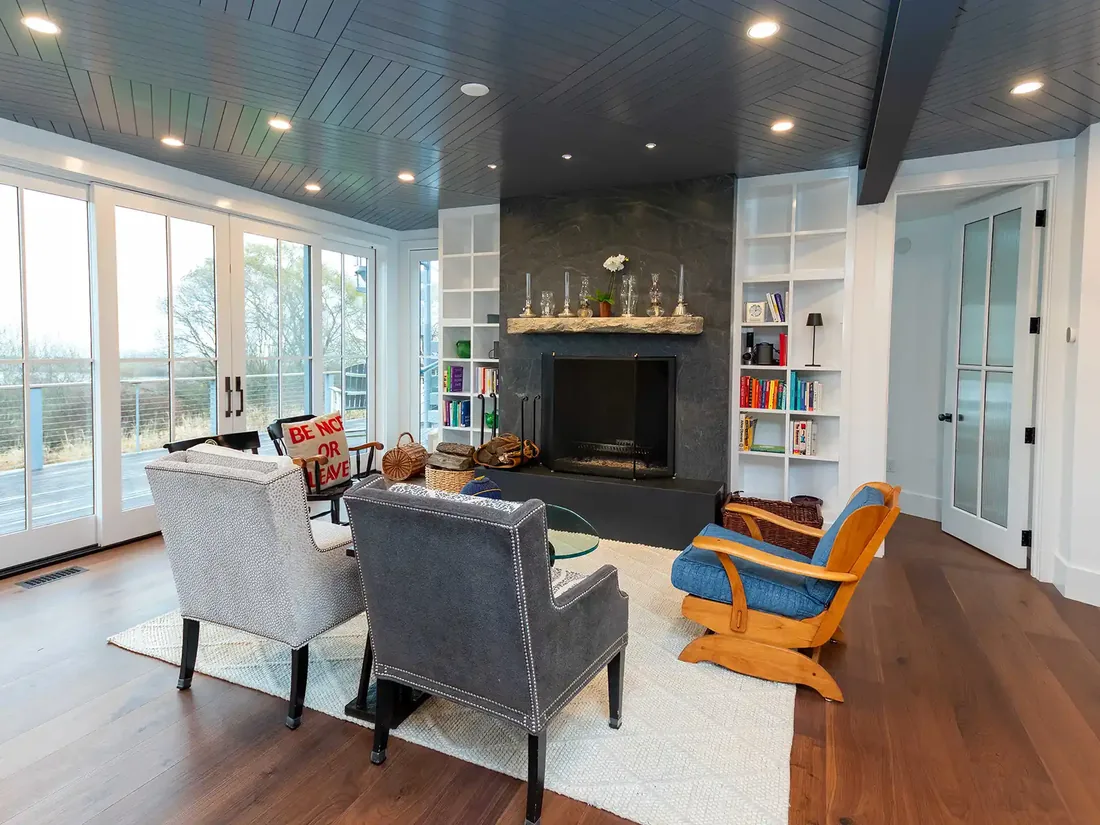
Then there is how you want to live inside the house. Morning light in the kitchen, a mudroom that handles wet gear after a harbor walk, how you enter from the garage when the wind is up on the bay: these choices should follow the lot, not fight it. Start there. The numbers make sense only after the site and the daily rhythm of the home are clear.
What a Bristol Home Builder Should Explain Before Numbers
Before anyone hands you a line-item bid, a credible builder should explain what they see on your Bristol property and what path the project will take through town. That includes setbacks, any historic or coastal review that may apply, and whether survey, engineering or septic work sits in front of design.
You should hear how they handle an occupied property versus a vacant lot, who pulls permits with the Bristol building department, and how trades are coordinated when windows, siding and interior work overlap. This is the difference between a navigator and a contractor who prices a drawing and hopes the site cooperates.
Ask questions that reveal how they think:
- Walk me through what you notice on this lot before you price it.
- What typically delays a Bristol project like mine?
- How do you sequence weather-sensitive work on the East Bay?
- Who owns the schedule when a sub does not show?
- What is not included in your first estimate?
Clear answers mean someone has built in Bristol and nearby East Bay towns, not just bid it from a template. Vague reassurance or a rush to get you a number by Friday is a signal to keep looking.
Registration with the Rhode Island Contractors' Registration and Licensing Board, current insurance and references you can call remain baseline checks. But the deeper test is whether they describe your project in local terms: the lane width, the bay exposure, the permit sequence and the realistic year ahead.
Paperwork and Habits That Protect Your Budget and Timeline
Budget and timeline survive on process, not optimism. Look for a written scope that matches what was discussed on site, allowances that reflect the finish level you actually want, and a change-order path that is explained before work starts, not after a surprise bill.
Regular site meetings, photo documentation and one accountable point of contact keep small issues from becoming expensive drift. On a custom home or major renovation, silence is not efficiency; it is how kitchens end up in the wrong corner and exterior trim waits three months for a window that was never ordered.
Strong builders show you how they organize a job: clean staging, labeled deliveries, subs who have worked together before and a calendar that admits winter and inspection time. Ask to speak with a recent client in Bristol or nearby Newport County, not only a showcase project from five years ago. Ask whether they would hire the same team again for a long, messy build on a tight lot.
Payment milestones should be tied to visible progress, not lump sums upfront. Permit copies, lien waiver language and warranty terms belong in writing before the first hammer swing. These habits cost nothing to verify in the first two meetings. They save tens of thousands once lumber is on the ground.
When to Talk with PJR Construction
If you are past the dreaming stage and into real questions about a Bristol lot, a custom home, a major addition or a whole-house renovation that cannot be simplified into a single trade, it is worth a direct conversation with a team that works across the East Bay every week.
PJR Construction is based at 448 Park Avenue in Portsmouth, a short drive over the Mount Hope Bridge from Bristol. We know the village streets, the bay-side lots and the sequencing that keeps projects on track when weather, access or neighbor courtesy slows the calendar.
A next conversation with us usually covers your lot and timeline, whether the job is new construction or a major renovation, how you plan to live through the work and whether PJR is the right fit for the scope. Our Bristol RI renovations hub walks through how we work in town, the kinds of projects we take on and local work you can review. Start there, then send a project inquiry when the timing feels right. We respond within three business days.